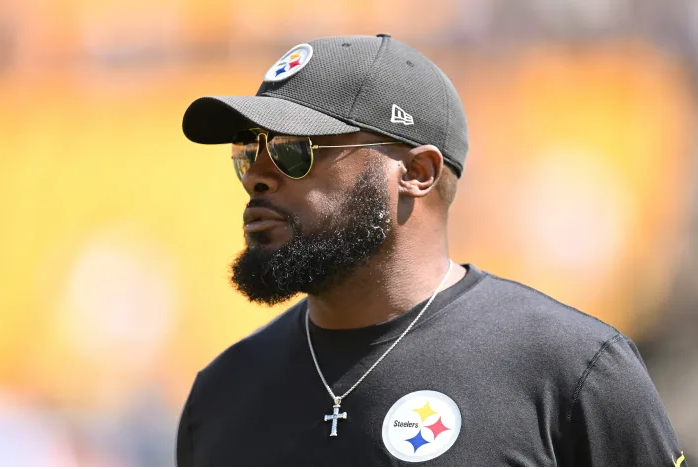
In the world of professional football, few names resonate with the same level of respect and admiration as Mike Tomlin. As the head coach of the Pittsburgh Steelers, Tomlin has carved a niche for himself not just as a strategist but as a leader who inspires his team, embodies resilience, and exemplifies excellence.
Born on March 15, 1972, in Hampton, Virginia, Tomlin’s journey to becoming one of the NFL’s most successful coaches began at Robert Morris University, where he played wide receiver. However, it was his transition from player to coach that set the stage for his monumental career. After various coaching positions in college and the NFL, Tomlin joined the Steelers in 2007, making history as the youngest head coach in the league at just 34 years old.
Tomlin’s ascent to head coach is marked by a profound understanding of the game, coupled with an innate ability to connect with players. Under his leadership, the Steelers have claimed two Super Bowl titles (XLIII in 2008 and XLV in 2010) and consistently compete at a high level. His coaching style is characterized by a strong emphasis on discipline, accountability, and motivation—qualities that resonate deeply within the sport.
What sets Tomlin apart from many of his contemporaries is his commitment to authenticity. He doesn’t merely preach strategy; he lives it. His famous mantra, “The standard is the standard,” underscores his belief that every player is accountable for meeting the team’s expectations, regardless of their status or experience. This philosophy cultivates an environment of trust and respect, enabling players to bring their best selves to the field.
Tomlin’s ability to adapt is another pillar of his success. The NFL is a constantly evolving landscape, and he has demonstrated a keen aptitude for adjusting strategies to fit the strengths of his roster. Whether integrating dynamic rookies or retooling after key injuries, Tomlin remains unfazed. His analytical approach to game management and his knack for in-game adjustments have drawn praise from analysts and fans alike.
Moreover, Tomlin’s influence extends beyond the football field. He’s known for his community involvement and commitment to social issues. He encourages his players to use their platforms positively, instilling in them the importance of giving back. This holistic view of leadership—focusing on personal development alongside athletic achievement—has forged strong bonds within the Steelers’ locker room and beyond.
Engaging with the media, Tomlin is always composed, delivering insightful comments that reflect his deep knowledge of the game. His press conferences often become teaching moments, where he articulates his thoughts with clarity and candidness, further endearing him to fans and analysts.
As he continues to lead the Steelers, Mike Tomlin remains a beacon of hope amid the highs and lows of the NFL. His passion for the game, dedication to his players, and unwavering pursuit of excellence ensure that he will leave a lasting legacy in football history. In a sport where success is fleeting, Tomlin’s values and achievements signify a true mastery of leadership—one that inspires generations to strive for greatness both on and off the field.